Injury Prevention and Recovery Strategies
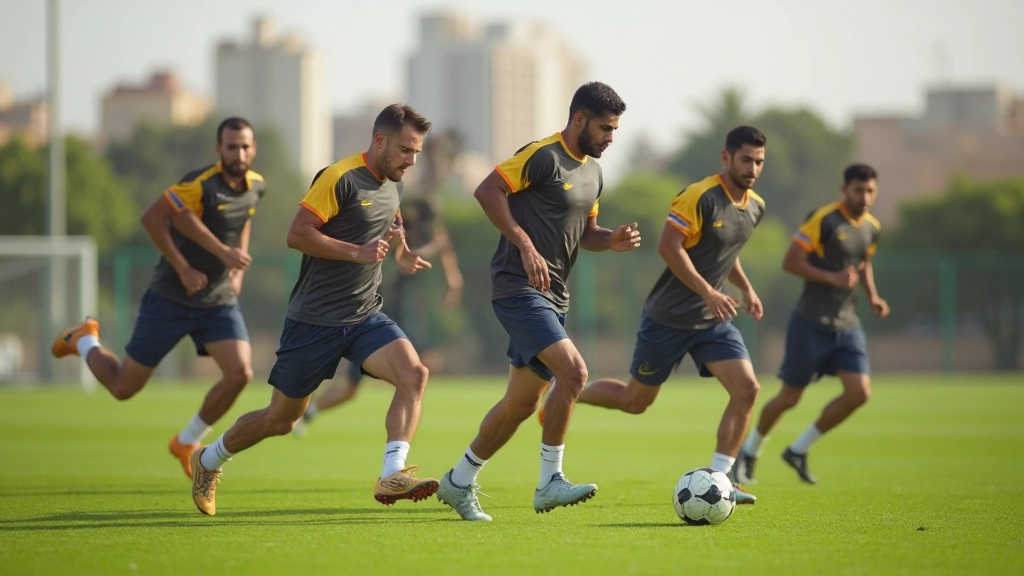
Comprehensive approaches to protecting athletic performance through evidence-based injury prevention protocols, effective recovery methodologies, and structured return-to-play guidelines for football athletes.
Understanding Injury Prevention in Football
Injury prevention represents a fundamental component of modern football training programs. Rather than treating injuries after they occur, forward-thinking coaching staffs implement systematic approaches to reduce injury risk through targeted training modifications, appropriate conditioning progressions, and awareness of common injury mechanisms in the sport.
Football athletes experience distinct injury patterns based on the sport's physical demands. The combination of rapid direction changes, explosive movements, and contact-based play creates specific biomechanical stresses. Understanding these patterns allows coaches and medical professionals to design preventive interventions addressing the unique challenges players face.
Effective prevention programs integrate multiple elements: proper warm-up protocols, movement quality assessment, strength and flexibility development, neuromuscular control exercises, and appropriate training load management. This multifaceted approach addresses the various factors contributing to injury risk.
Essential Injury Prevention Strategies
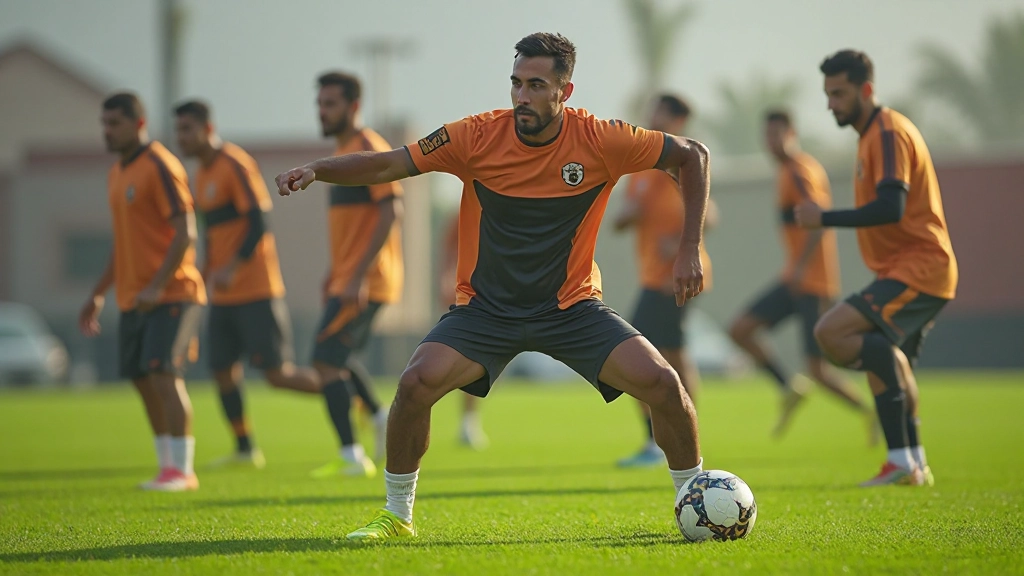
Successful injury prevention programs incorporate several evidence-informed strategies that address the physical and technical demands of football training and competition.
Proper Warm-Up Protocols
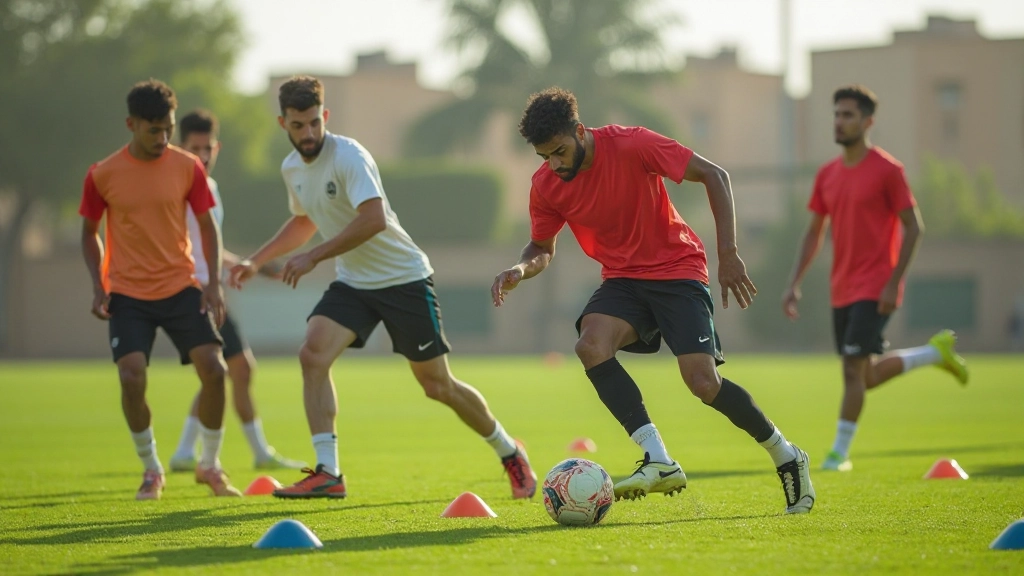
Structured warm-up routines prepare the body for the demands of training and competition. Dynamic stretching, movement preparation, and progressive intensity increase enhance readiness while preparing neuromuscular systems for activity. Quality warm-ups establish movement patterns and mental focus before engaging in intense training.
Strength and Conditioning Development
Targeted strength work addresses muscular imbalances and builds resilience in tissues exposed to high injury risk. Programs emphasizing lower body strength, core stability, and rotational control provide protective effects against common football injuries. Progressive resistance training develops the capacity to manage the physical demands of sport.
Movement Quality and Control
Assessment and improvement of movement mechanics reduce injury risk during dynamic activities. Exercises addressing neuromuscular control, balance, and proprioception enhance stability during rapid direction changes and contact situations. Movement quality assessment identifies areas requiring targeted intervention.
Training Load Management
Appropriate progression of training intensity and volume reduces overuse injury risk. Monitoring cumulative training load and managing recovery periods prevents excessive fatigue that compromises movement quality. Structured periodization allows adequate recovery while maintaining fitness development throughout training cycles.
Important Information
This content provides educational information regarding injury prevention and recovery approaches in football training contexts. The information presented represents general guidance based on sports science principles and professional training experience, and is not intended to replace personalized medical evaluation or professional medical advice.
Individual circumstances, medical histories, and specific injury conditions vary significantly. Athletes experiencing pain, injury symptoms, or other health concerns should consult with qualified medical professionals, including team physicians, sports medicine specialists, or licensed healthcare providers who can evaluate their specific situation and provide appropriate guidance.

Recovery and Return-to-Play Considerations
Recovery processes represent a critical component of injury management and return to full participation. Effective recovery protocols address both physiological adaptation and functional restoration, ensuring athletes regain capacity for sport-specific demands before resuming competition.
Post-injury recovery typically follows structured phases addressing different aspects of rehabilitation. Early phases focus on managing inflammation and protecting healing tissues. Progressive phases emphasize restoration of range of motion, muscular strength, and functional movement patterns specific to football. Later phases incorporate sport-specific activities and gradual return to full training and competition.
Return-to-play decisions involve collaboration between medical professionals, coaching staff, and athletes. Objective criteria assessing physical capacities, movement quality, and psychological readiness guide these decisions. Gradual progression through training activities, beginning with modified participation and advancing toward full intensity, supports safe return to sport.
Implementing Prevention and Recovery Programs
Practical implementation of injury prevention and recovery approaches requires systematic planning and consistent execution within training environments. Successful programs integrate prevention and recovery as ongoing elements of training culture rather than isolated interventions.
1
Assessment and Baseline Evaluation
Establishing baseline measurements of movement quality, strength capacities, and flexibility profiles provides reference points for identifying changes and monitoring progress throughout training cycles. Regular reassessment reveals areas requiring additional focus and verifies effectiveness of preventive interventions.
2
Individualized Training Modifications
Athletes with identified risk factors or previous injuries benefit from targeted modifications addressing their specific needs. Individualized programs incorporate exercises addressing movement deficiencies, strength imbalances, or flexibility limitations while maintaining engagement with team training activities.
3
Monitoring and Adjustment
Ongoing monitoring of training responses, recovery status, and performance indicators allows timely program adjustments. Regular communication between coaching staff, medical professionals, and athletes ensures prevention programs remain responsive to evolving needs and circumstances throughout training cycles.
4
Education and Athlete Engagement
Athletes who understand injury prevention principles and recovery processes demonstrate greater engagement and compliance with recommended protocols. Education regarding common injury mechanisms, prevention strategies, and recovery expectations fosters athlete accountability and participation in program implementation.
Supporting Factors for Injury Prevention Success
Beyond specific prevention exercises and recovery protocols, several environmental and behavioral factors significantly influence injury prevention effectiveness in football training programs.
- Sleep and Rest: Adequate sleep duration and quality recovery periods support physiological adaptation and tissue repair processes essential for injury prevention and performance development.
- Nutrition and Hydration: Appropriate nutritional intake and hydration status support musculoskeletal health, recovery processes, and tissue resilience necessary for managing training demands.
- Psychological Readiness: Mental preparation, stress management, and psychological resilience contribute to decision-making quality and attention to movement mechanics during training and competition.
- Environmental Conditions: Field surface quality, weather conditions, and equipment appropriateness influence injury risk and require attention when implementing training programs.
- Medical Supervision: Access to qualified medical professionals for evaluation, treatment, and clearance decisions supports appropriate injury management and return-to-play decision-making.
Comprehensive injury prevention and recovery strategies reflect an evidence-informed approach to protecting athlete health while supporting training and competitive success. Integration of prevention principles into daily training culture, coupled with structured recovery processes and appropriate medical oversight, establishes conditions supporting both short-term injury reduction and long-term athletic development.
Related Articles