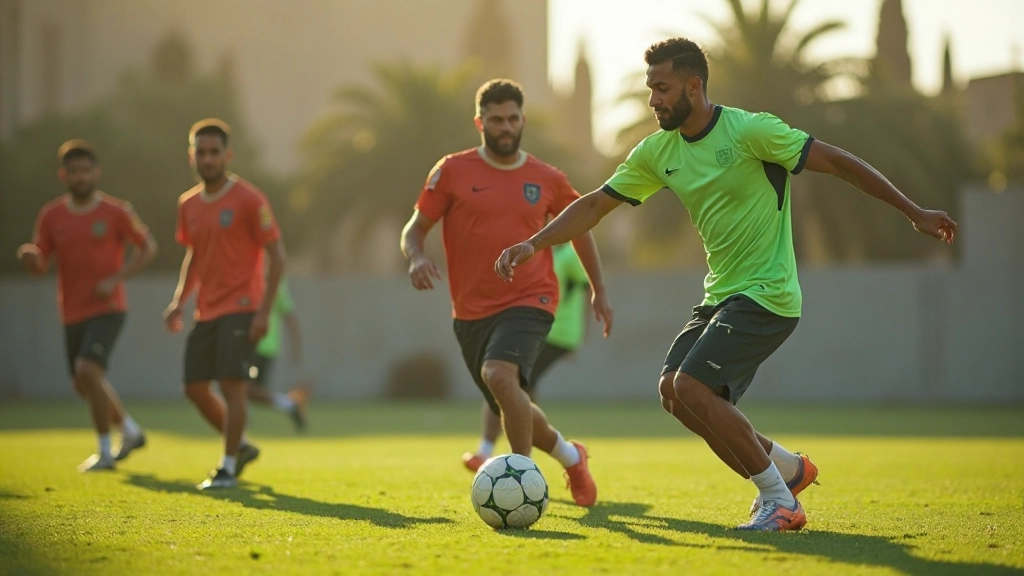
Tactical Positioning and Field Awareness
Learn fundamental tactical principles for improving player positioning, spatial awareness, and understanding of movement patterns that enhance team organization and match performance.
Read MoreDiscover evidence-based methodologies for structuring effective team training sessions that develop cohesion, improve tactical understanding, and enhance collective performance through organized group practice activities.
Team training sessions represent the cornerstone of competitive soccer development. Beyond individual skill refinement, these structured activities create environments where players learn to understand positional responsibilities, develop mutual communication patterns, and build the collective understanding necessary for organized play.
Effective team training integrates multiple dimensions: technical skill development, tactical positioning awareness, physical conditioning, and psychological cohesion. The most successful training programs balance directive coaching with exploratory learning, allowing players to experience realistic game situations while receiving structured feedback.
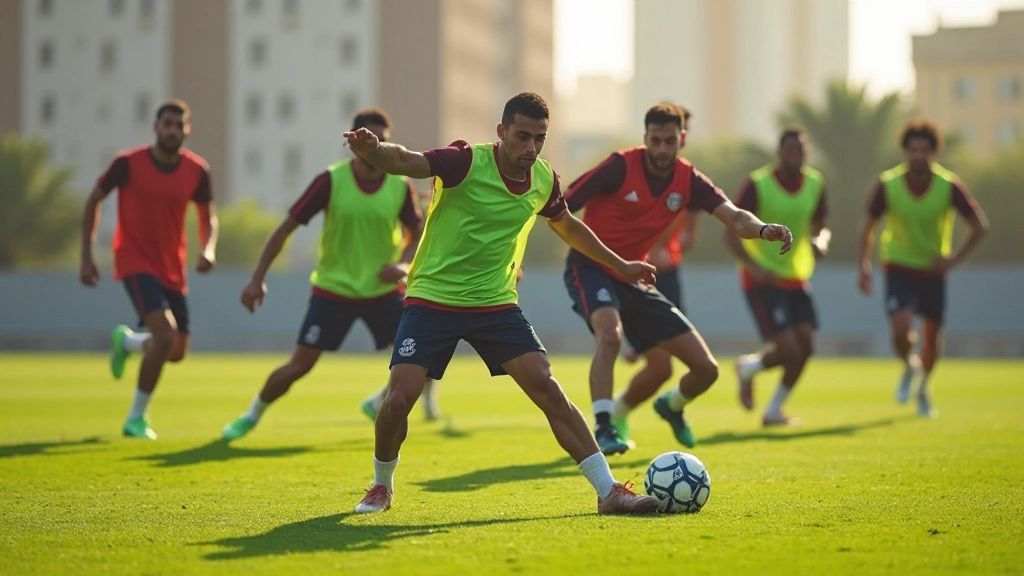
Team cohesion—the degree to which players work together toward common objectives—develops through consistent exposure to shared challenges and experiences. Research in sports psychology demonstrates that cohesion correlates with improved communication, reduced errors under pressure, and enhanced tactical execution.
Cohesion develops across multiple dimensions. Task cohesion involves players' commitment to collective objectives and tactical systems. Social cohesion reflects interpersonal relationships and trust between teammates. Both dimensions require deliberate cultivation through training design and team management approaches.
Cohesion develops progressively through consistent practice together. Early sessions establish role clarity and basic communication patterns. Intermediate phases develop synchronized movement and anticipatory positioning. Advanced phases enable automatic, instinctive reactions to game situations.
Specific training methodologies enhance cohesion development. Consistent starting lineups during training create familiarity with specific partners. Positional group work develops deeper understanding between adjacent players. Full-team activities with emphasis on communication reinforce collective identity.
Environmental factors also influence cohesion development. Team rituals, consistent facilities, regular training times, and opportunities for informal interaction all contribute to strengthening group bonds. Leadership from senior players and coaching staff provides important cohesion anchors.
Implementing tactical systems requires players to understand positioning principles, movement patterns, and decision-making frameworks within organized structures. Effective training translates these concepts into practiced routines that become automatic under competitive pressure.
Introduce positioning principles and basic movement patterns. Use simplified practice formats with fewer players and larger spaces. Emphasize understanding over speed of execution. Provide frequent feedback and demonstration.
Combine multiple elements into coordinated sequences. Introduce opposition to create realistic decision-making pressure. Increase tempo and complexity gradually. Develop communication patterns for positional groups.
Practice systems under game-realistic conditions with full intensity. Develop instinctive reactions to tactical situations. Refine timing and synchronization between units. Create competitive scenarios requiring tactical application.
Address specific weaknesses identified through performance analysis. Adapt systems based on opponent characteristics. Maintain proficiency through regular practice cycles. Introduce tactical variations within core framework.
Positional group work serves important functions in tactical development. Defenders practice organization and communication specific to their area. Midfielders develop transition patterns and pressing sequences. Forwards practice movement runs and finishing combinations. This specialized work enhances overall system implementation.
This content provides educational information about team training methodologies and group dynamics in soccer. It represents general approaches and principles and does not constitute personalized coaching advice or professional instruction.
Training effectiveness depends on numerous individual and contextual factors, including player age, experience level, physical condition, team composition, facility resources, and coaching expertise. Implementation decisions should be made in consultation with qualified coaching professionals who can assess specific circumstances and requirements.
Effective team training requires systematic progression from foundational understanding through automated implementation. Success depends on consistent practice, clear communication, and deliberate progression through increasingly complex activities.
Team training excellence emerges from deliberate design, consistent execution, and continuous refinement based on observable performance. The investment in structured group practice yields returns through improved tactical execution, stronger interpersonal connections, and enhanced collective resilience.