Tactical Positioning and Field Awareness
Learn fundamental tactical principles for improving player positioning, spatial awareness, and decision-making in different formation structures and match situations.
Explore ArticleModern football coaching relies on systematic video review to identify tactical patterns, individual performance metrics, and areas for targeted improvement. This comprehensive guide explores methodologies for analyzing player performance through recorded footage and implementing data-driven training adjustments.
Video analysis has become an integral component of professional football coaching. The process involves systematic review of match footage and training sessions to evaluate player movement, decision-making, positioning, and technical execution. This methodology provides coaches with objective data about performance patterns that may not be immediately visible during live observation.
The foundation of effective video analysis rests on establishing clear evaluation criteria before beginning the review process. Coaches identify specific aspects to assess—such as tactical positioning, passing accuracy, defensive transitions, or spatial awareness—rather than conducting unfocused viewing. This structured approach ensures consistent evaluation and meaningful insights.
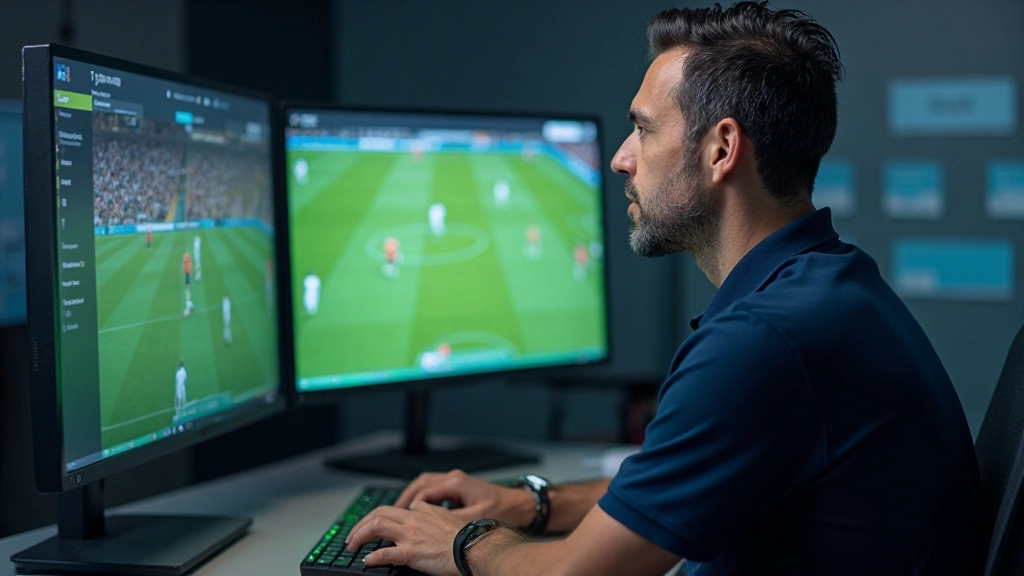
Effective video analysis requires appropriate tools and systematic procedures. Modern football organizations employ specialized software platforms that allow frame-by-frame review, multiple angle analysis, and performance metric compilation. These tools facilitate detailed examination of specific plays, player movements, and tactical sequences with precision that informal observation cannot achieve.
Examining the same play from various camera perspectives to understand complete spatial context, player positioning, and decision factors affecting performance outcomes.
Tracking measurable variables including pass completion percentage, positioning accuracy, recovery time in transitions, and technical consistency across multiple matches.
Isolating specific game situations—set pieces, pressing sequences, build-up phases—to analyze decision-making patterns and tactical consistency in comparable contexts.
The selection of analysis tools depends on organizational resources and specific coaching objectives. Professional clubs often utilize comprehensive software systems, while developing programs may employ more basic but effective video review methods. Regardless of tool sophistication, the consistency of evaluation methodology remains essential for tracking performance progression.
This content provides educational information regarding video analysis methodologies and performance evaluation approaches in football coaching. The information presented represents general coaching principles and does not constitute professional coaching advice tailored to specific players, teams, or situations.
Individual player development, tactical implementation, and training modifications should be determined by qualified coaching professionals based on specific circumstances, athlete characteristics, and organizational objectives. Results from implementing these approaches vary based on numerous factors including coaching experience, player ability levels, training environment, and competitive context.

Video analysis extends beyond individual player evaluation to encompass team tactical patterns and opponent analysis. Coaches utilize recorded footage to identify offensive and defensive tendencies, spacing principles, transition timing, and set-piece execution patterns. This systematic examination reveals how teams function collectively and where coordination or positioning gaps may exist.
Opponent analysis through video review provides critical information for match preparation. Coaches examine opposing team formations, player positioning tendencies, attacking patterns, and defensive approaches. Understanding opponent characteristics allows coaching staffs to design tactical adjustments and specific training activities that address anticipated challenges. This preparation methodology has become standard across competitive football levels.
Team-based video analysis sessions, where players collectively review footage, serve educational functions beyond tactical preparation. Players develop enhanced understanding of team structure, their positional responsibilities, and how individual decisions affect collective performance. This shared learning approach promotes tactical awareness and accelerates player development.
The ultimate objective of video analysis is identifying actionable adjustments that improve player and team performance. Analysis findings must translate into specific training activities, tactical modifications, or individual coaching interventions. Without this implementation component, video review remains observational rather than developmental.
Systematic video review reveals specific areas where individual or collective performance falls below expected standards or organizational objectives.
Coaching staff develop training activities that specifically address identified performance gaps through repetition, constraint manipulation, and progressive difficulty.
Clear communication with players regarding performance analysis findings, expected improvements, and specific training focus areas promotes engagement and understanding.
Continued video analysis tracks whether implemented training adjustments produce measurable improvements in targeted performance areas across subsequent matches and training sessions.
Effective implementation requires patience and consistency. Performance improvements often develop gradually across multiple training cycles and match exposures. Coaches maintain detailed records of analysis findings and training interventions to establish connections between specific coaching inputs and measurable performance changes.
Contemporary football increasingly incorporates advanced technologies that complement traditional video analysis. Position tracking systems, performance monitoring devices, and statistical analysis platforms provide quantitative data that enhances subjective video observation. Integration of these data sources creates comprehensive performance profiles combining video insights with objective measurements.
Positional data derived from tracking technologies reveals spatial patterns—how players occupy field areas, distances covered, directional movement, and spacing maintenance relative to teammates and opponents. When combined with video observation, this quantitative information validates coaching observations and identifies patterns that visual inspection alone might overlook. For instance, video analysis might reveal inconsistent positioning, while positional data quantifies the frequency and magnitude of these positioning deviations.
Statistical performance indicators—pass completion rates, recovery speeds, tackle success percentages, aerial challenge effectiveness—provide measurable benchmarks for evaluating performance consistency. Video analysis explains why these metrics appear as they do, revealing technical or tactical factors underlying statistical patterns. This integration of quantitative data with qualitative video observation creates more complete performance understanding than either approach provides independently.
Video analysis represents an essential methodology for modern football coaching, providing systematic evaluation of player and team performance. Through structured review processes, coaches identify performance patterns, recognize improvement areas, and design targeted training interventions. The combination of video observation with contemporary performance technologies creates comprehensive understanding of player development progression.
Successful implementation requires establishing clear evaluation criteria, utilizing appropriate analysis tools, and translating findings into specific training activities. Consistency in analysis methodology, patience in performance development, and systematic monitoring of training impact distinguish effective video analysis programs from unfocused review processes. Organizations committed to continuous performance improvement recognize video analysis as an investment in player development and competitive performance enhancement.